




Blog
Millets in the Modern Kitchen: Innovative Recipes for Health-Conscious Families

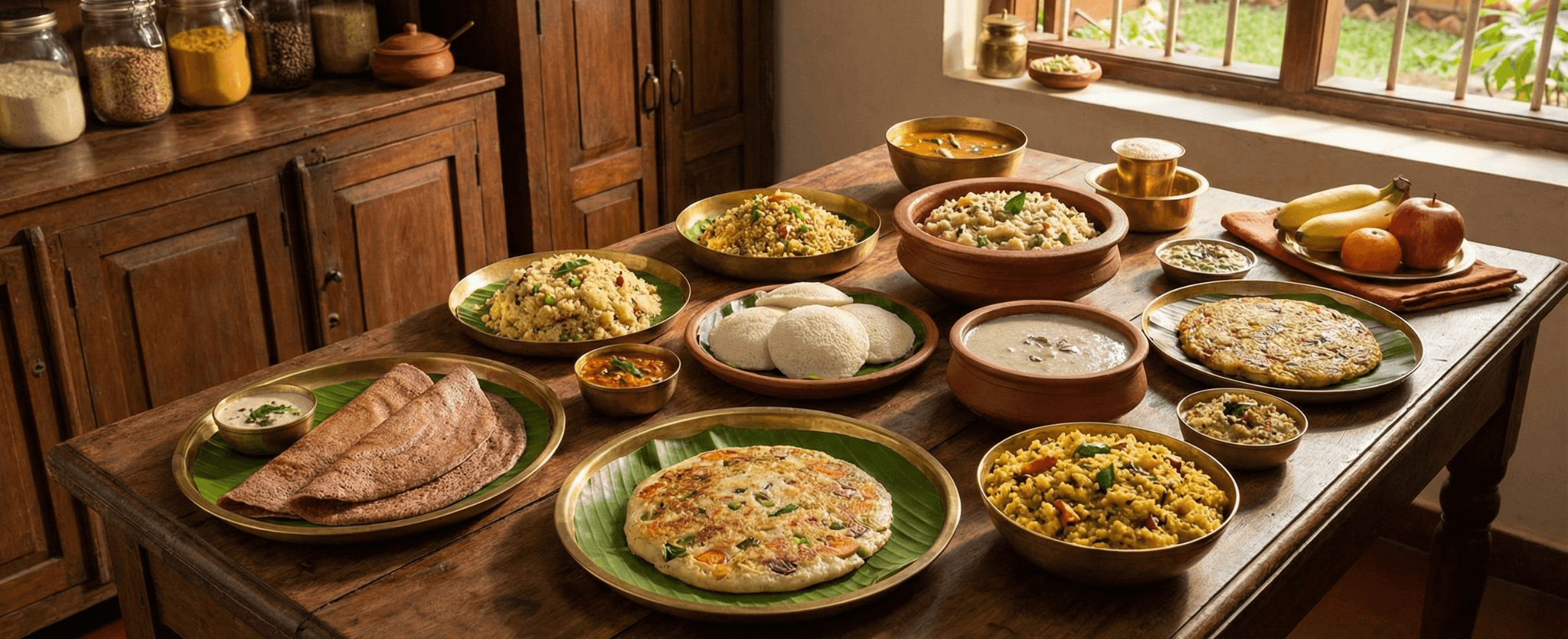
Millets, once considered humble grains, are rapidly gaining popularity in modern kitchens around the world. Known for their rich nutritional profile, including high fiber, protein, vitamins, and minerals, millets are now being embraced by health-conscious families seeking wholesome alternatives to rice and wheat. Beyond their health benefits, millets are incredibly versatile and can be transformed into a wide range of innovative dishes that suit contemporary lifestyles.
In today’s fast-paced life, people often struggle to balance taste, convenience, and nutrition. Millets perfectly address this challenge, as they can be incorporated into breakfasts, snacks, main courses, and even desserts. For example, finger millet (ragi) can be used to make healthy porridge, pancakes, and energy bars, while foxtail millet can be turned into risottos or salads, offering an elegant twist to traditional recipes. Bajra (pearl millet) flour works well in gluten-free breads, rotis, and even savory baked items. This versatility allows families to experiment with flavors and textures, making healthy eating an enjoyable experience rather than a compromise.
The benefits of including millets in daily meals go beyond personal health. Millets are naturally gluten-free, making them suitable for people with celiac disease or gluten intolerance. Their low glycemic index helps regulate blood sugar levels, which is particularly important for diabetics or anyone seeking weight management solutions. Additionally, the high fiber content of millets supports digestion and promotes a feeling of fullness, reducing unnecessary snacking and promoting better overall nutrition for the entire family.
Innovative recipes have also made millets appealing to children, who may otherwise resist whole grains. Millet-based pancakes, muffins, and smoothies can easily replace refined flour-based products, providing a fun and tasty way to integrate these superfoods into daily meals. Families are increasingly incorporating millets into quick-to-cook dishes like upma, khichdi, soups, and pilafs, ensuring that healthy eating does not compromise convenience.
Furthermore, millets contribute to sustainable food practices. Being drought-resistant and requiring less water than rice or wheat, they are environmentally friendly crops. By choosing millet-based meals, families not only improve their own health but also support eco-conscious agriculture and sustainable food systems. This combination of nutrition, culinary versatility, and environmental benefits makes millets an ideal choice for modern kitchens.
In conclusion, millets are no longer just traditional grains; they are powerful superfoods that fit seamlessly into modern lifestyles. With creative recipes and simple cooking methods, families can enjoy delicious, nutritious meals that support long-term health while contributing to a more sustainable planet. Embracing millets in the kitchen is a small but impactful step toward healthier, happier lives.