




Blog
Economic Benefits of Millets: Advantages for Farmers and Consumers

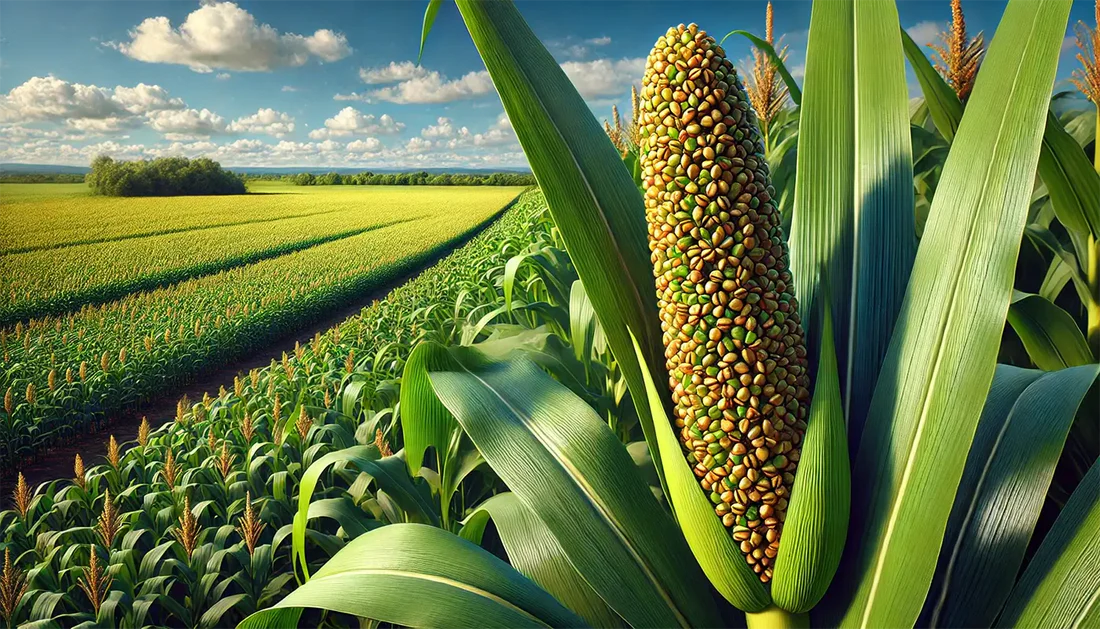
Millets are small, ancient grains that have been cultivated for thousands of years. Once considered a staple mainly in rural diets, millets are now gaining attention worldwide due to their nutritional and economic value. These grains are highly beneficial not only for consumers but also for farmers and the overall economy.
For farmers, millets are a sustainable and profitable crop. They require less water and fewer chemical inputs compared to rice or wheat, making them ideal for regions with unpredictable rainfall. Being drought-resistant, millets reduce the risk of crop failure, while low cultivation costs and increasing demand—both domestic and international—allow farmers to earn higher profit margins. Additionally, government programs often provide support in the form of subsidies, minimum support prices, or incentives for organic millet cultivation, further boosting farmers’ income.
Consumers also gain significant advantages from incorporating millets into their diets. Millets are rich in fiber, protein, vitamins, and minerals, offering an affordable and healthy alternative to other grains. Their health benefits are well-documented, including management of diabetes, obesity, and heart-related issues. Moreover, by choosing millets, consumers contribute indirectly to sustainable agriculture, since millet cultivation uses fewer resources and chemicals, promoting eco-friendly farming practices.
The growing demand for millets is creating economic opportunities beyond farms. Export markets are expanding for gluten-free, organic, and nutrient-dense grains, while millet processing and marketing generate jobs in agriculture, food production, and retail. Supporting millet farming also strengthens local economies by encouraging production and consumption within communities, improving both food security and rural livelihoods.
In conclusion, millets are not just nutritious grains—they are an economic asset. Farmers benefit from low-cost, high-value crops, consumers enjoy affordable, nutrient-rich foods, and society gains through sustainable agriculture and economic growth. Investing in millets, whether through farming, consumption, or business, is a win-win strategy for health, wealth, and the planet.