




Blog
How Millets Help Save Water in Farming

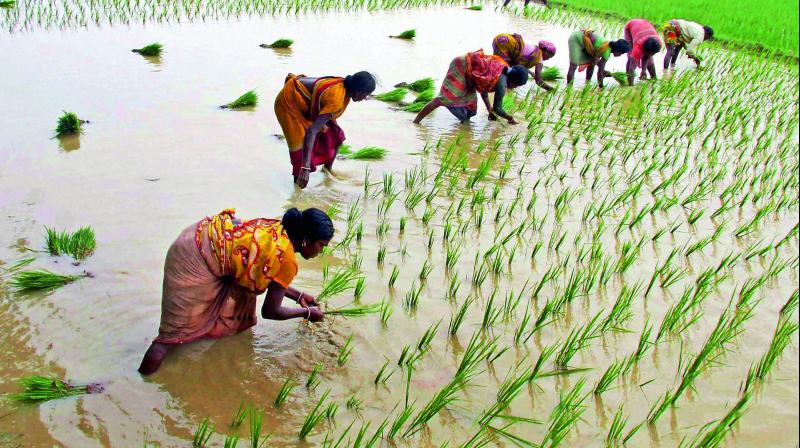
Millets are becoming increasingly important in modern agriculture because of their ability to grow with very little water. Unlike crops such as rice and wheat, which require large amounts of irrigation, millets are naturally drought-resistant. They can survive and grow in dry and semi-arid regions where water resources are limited. This makes millets a sustainable crop choice, especially in areas facing water scarcity and unpredictable rainfall.
One of the main reasons millets save water in farming is their deep root system. These roots allow the plants to absorb moisture from deeper layers of the soil, reducing the need for frequent watering. In comparison, crops like rice require standing water in fields for long periods, which leads to significant water consumption. By switching to millets, farmers can reduce the pressure on groundwater and conserve valuable water resources.
Millets also grow well in poor soil conditions and require fewer chemical fertilizers and pesticides. Because they are hardy crops, farmers can cultivate them with minimal inputs. This not only saves water but also reduces farming costs and protects the environment. As a result, millets support sustainable agriculture and help maintain soil health over time.
With climate change causing irregular rainfall and increasing drought conditions in many parts of the world, millets are gaining attention as a climate-resilient crop. Promoting millet cultivation can help farmers adapt to changing environmental conditions while conserving water. By choosing millets, agriculture can become more sustainable, ensuring food security while protecting natural resources for future generations.