Blog
From Bajra to Quinoa: The Global Journey of Millets

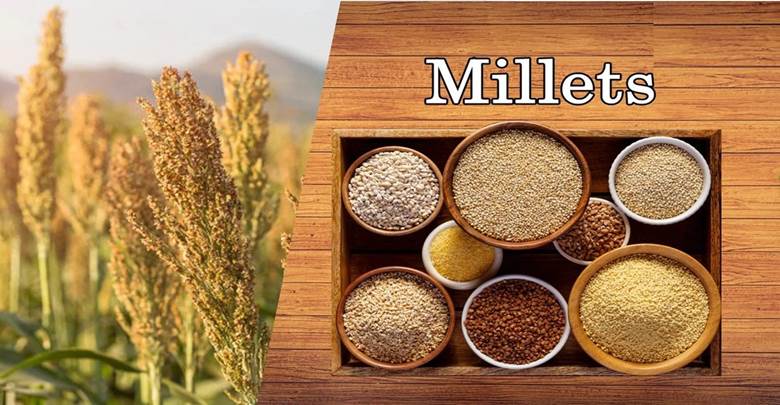
Millets, often called the “ancient grains,” have been nourishing civilizations for thousands of years. These tiny grains, from the sun-baked fields of India to the highlands of South America, have not only adapted to harsh climates but have also traveled across continents, long before quinoa became a global superfood sensation. The journey of millets is a fascinating tale of resilience, culture, and nutrition, showing how humble grains have shaped human diets across time and space.
In India, millets have been cultivated for over 7,000 years. Bajra, or pearl millet, has been a staple in the arid regions of Rajasthan and Gujarat, while ragi, known as finger millet, dominates the southern states like Karnataka and Tamil Nadu. These grains were more than just food; they were an integral part of local culture, festivals, and traditional diets. Rich in protein, fiber, and essential minerals, millets provided sustenance where rice and wheat often struggled to grow, making them indispensable to the communities that depended on them.
As trade routes expanded and human migration spread, millets traveled beyond the Indian subcontinent. Foxtail millet became a major crop in ancient China, while sorghum and pearl millet thrived in the challenging climates of Africa. Each new region adapted these grains to local conditions and culinary traditions, blending them seamlessly into diets and culture. Interestingly, the story of quinoa in South America mirrors this journey, demonstrating how small, nutrient-rich grains can feed populations sustainably across continents.
In recent years, millets have experienced a global renaissance. With rising awareness about gluten-free diets, sustainable farming, and nutrient-dense foods, people around the world are rediscovering these ancient grains. Urban kitchens from Europe to North America are experimenting with bajra roti, millet porridge, and millet-based snacks, turning what was once a regional staple into a symbol of wellness, sustainability, and culinary creativity. Millets have proven that their tiny size does not limit their impact—they are versatile, nutritious, and environmentally friendly.
The journey of millets from traditional fields to global plates is more than just a food story. It is a narrative about resilience, culture, and sustainable living. These grains remind us that solutions to modern challenges, like climate change and nutrition security, often lie in the wisdom of ancient foods. From bajra in Indian villages to quinoa bowls in cosmopolitan cafés, millets are proof that small grains can leave a big mark on the world.