Blog
Hidden Power of Millets: Nutrition That Beats Rice & Wheat


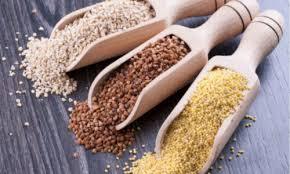
Millets are ancient grains that are now gaining recognition as powerful superfoods, and for good reason. Compared to commonly consumed staples like rice and wheat, millets offer a richer nutritional profile. They are packed with essential nutrients such as fiber, protein, vitamins, and minerals like iron, calcium, and magnesium. Unlike refined rice and wheat, millets have a low glycemic index, which helps in maintaining stable blood sugar levels. This makes them an excellent choice for people managing diabetes or those looking to adopt a healthier lifestyle. Their high fiber content also supports better digestion and helps in maintaining a healthy gut.
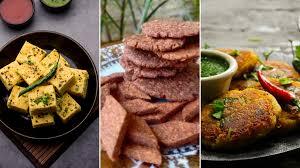
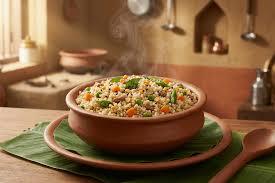
Another major advantage of millets is their ability to support overall wellness without compromising on taste or versatility. They can be used in a wide variety of dishes, from traditional recipes to modern snacks and baked goods. Additionally, millets are naturally gluten-free, making them ideal for individuals with gluten intolerance or celiac conditions. Beyond personal health, millets are also environmentally friendly, requiring less water and thriving in harsh climates where other crops may fail. By choosing millets over rice and wheat, individuals not only improve their nutrition but also contribute to a more sustainable and resilient food system.
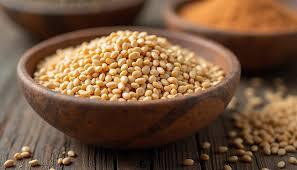
In addition to their impressive nutritional benefits, millets also play a crucial role in promoting heart health and boosting immunity. They contain antioxidants and healthy plant compounds that help reduce inflammation and lower the risk of chronic diseases such as heart disease and obesity. Millets like ragi are especially rich in calcium, supporting strong bones, while others like bajra are known for their high iron content, helping prevent anemia. Because they are minimally processed, millets retain more of their natural goodness compared to polished rice or refined wheat products. Including millets regularly in your diet can lead to improved energy levels, better metabolism, and long-term health benefits, making them a smart and wholesome alternative to traditional grains.