Blog
Millets and Mental Health: Brain-Boosting Grains You Didn’t Know About

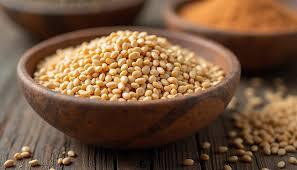
When we think of brain health, we often focus on supplements, exercise, or mental workouts—but rarely do we consider the impact of ancient grains. Millets, long overlooked in modern diets, are now emerging as powerful brain-boosting foods. Packed with essential nutrients and antioxidants, these humble grains may be the secret to improving memory, focus, and even mood.
Millets are a group of small-seeded cereal grains that have been cultivated for thousands of years across India, Africa, and Asia. Beyond their reputation as hardy, drought-resistant crops, millets are nutritional powerhouses. They are rich in magnesium, iron, B vitamins, antioxidants, and polyphenols—all nutrients that play crucial roles in supporting brain function and mental well-being.
One of the key ways millets enhance mental health is by reducing stress and anxiety. Magnesium, abundant in millets, is known to help regulate neurotransmitters that calm the nervous system. Additionally, millets contain tryptophan, an amino acid that the body converts into serotonin, often called the “happy hormone.” A diet including millets may therefore support better mood regulation and a sense of calm.
Millets also help improve memory and cognitive performance. Unlike simple carbohydrates that spike blood sugar, millets provide complex carbohydrates that release glucose slowly, ensuring a steady supply of energy to the brain. This supports concentration, learning, and mental clarity throughout the day. Furthermore, antioxidants in millets combat oxidative stress in brain cells, potentially lowering the risk of cognitive decline over time.
Another fascinating aspect of millets is their role in the gut-brain connection. High in dietary fiber, millets promote a healthy gut microbiome. Modern research shows that a balanced gut contributes to better mood, reduced anxiety, and improved cognitive function—a concept known as the gut-brain axis. By supporting gut health, millets indirectly enhance mental well-being.
Incorporating millets into daily meals is easier than you might think. For breakfast, try a warm millet porridge topped with nuts and berries. For snacks, millet-based energy bars or puffed millet can provide a healthy pick-me-up. Millets can also be used in main meals such as khichdi, salads, or even millet-based pizzas. Smoothies with millet flour or soaked millets are another tasty option. The versatility of these grains makes it simple to include them in your routine.
Interestingly, millets were once considered royal grains in ancient Indian diets, valued for their energy and stamina-boosting properties. Modern studies support these traditional beliefs: finger millet (ragi), for example, has been linked to improved memory in both children and adults. Additionally, being gluten-free and low on the glycemic index, millets help maintain stable blood sugar levels, which is important for mood stability and mental clarity.
In conclusion, millets are much more than a traditional grain—they are nature’s brain food. By incorporating them into your diet, you can enjoy not only physical health benefits but also improved mental performance, mood regulation, and long-term cognitive support. Start small, experiment with recipes, and make these ancient grains a part of your modern lifestyle for a sharper mind and a happier you.