Blog
How Millets Help in Weight Loss and Diabetes Management


Millets are gaining popularity as a natural solution for weight loss and diabetes management. These ancient grains, once a staple in traditional diets, are now being rediscovered for their impressive nutritional value and health benefits. With rising cases of obesity and type 2 diabetes, many people are turning to healthier alternatives to refined grains, and millets are emerging as one of the best choices.
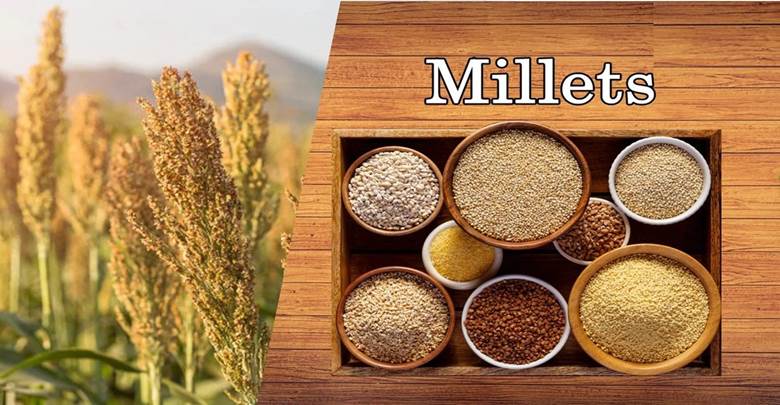
Millets are small-seeded grains cultivated for thousands of years across Asia and Africa. Popular varieties include Ragi (Finger Millet), Jowar (Sorghum), Bajra (Pearl Millet), Foxtail Millet, and Kodo Millet. These grains are naturally gluten-free and rich in fiber, protein, vitamins, minerals, and antioxidants, making them a powerhouse of nutrition.
One of the main reasons millets support weight loss is their high fiber content. Fiber helps you feel full for a longer time, reducing unnecessary snacking and overeating. Unlike refined carbohydrates such as white rice or maida, millets digest slowly and release energy gradually. This steady release of energy prevents sudden hunger cravings and helps maintain better appetite control throughout the day. As a result, calorie intake naturally reduces, supporting healthy and sustainable weight loss.
Millets are also beneficial for managing diabetes because of their low glycemic index. Foods with a low glycemic index release glucose slowly into the bloodstream, preventing sudden spikes in blood sugar levels. Stable blood sugar is essential for people with diabetes, as frequent spikes can lead to complications over time. The fiber in millets further slows down sugar absorption, helping maintain balanced glucose levels.
In addition, millets contain important nutrients such as magnesium, which plays a role in improving insulin sensitivity. Better insulin sensitivity allows the body to use glucose more effectively, reducing the risk of insulin resistance. Regular consumption of whole millets may also help lower bad cholesterol levels, supporting heart health — an important factor for individuals managing diabetes.
Including millets in your daily meals is simple and practical. They can replace white rice in lunch or dinner, be used as flour for rotis and pancakes, or prepared as porridge for breakfast. Millet-based dishes such as upma, khichdi, and pulao are both nutritious and satisfying. Gradually introducing millets into your diet helps your body adjust while allowing you to enjoy their health benefits.
While millets are highly nutritious, moderation is still important. Choosing whole, unpolished varieties ensures maximum fiber and nutrient intake. Those with specific medical conditions should consult a healthcare professional before making major dietary changes.
Millets are more than just traditional grains; they are a smart and sustainable choice for modern health challenges. By replacing refined grains with millets, you can take a meaningful step toward better weight management and improved blood sugar control. Small dietary changes today can lead to long-term health benefits and a healthier future.